


The Best Tempura Restaurants in Tokyo: From High-End Counters to Affordable Favorites
- Feb 17
- 7 min read
Updated: Mar 27

The crackle and hiss as batter-coated ingredients hits hot oil is one of tempura’s defining characteristics: in this Japanese cuisine, simple offerings are elevated with a crispy exterior and a perfectly cooked interior, a delicate balance pulled off purely by the skills of a chef. Brought to Japan by Portuguese missionaries in the 16th century, tempura is a classic Japanese dish that often gets a bad rap - mistakenly perceived as oily, fatty, and a massive calorie bomb. In actuality, tempura is all about selecting the highest quality ingredients at the peak of their season, and utilizes lighter frying, rather than deep drying, to achieve unbeatable flavor. Today, tempura restaurants in Tokyo can vary from Michelin-recognized counter dining to casual neighborhood restaurants offering exceptional value.
For foodies coming to Japan, having tempura while in Tokyo—or any other of Japan’s prefectures - is a can’t miss. Crispy shrimp fritters, mountain vegetables foraged in spring, freshly picked bamboo shoots: whatever you’re seeking for your tempura fix, chances are your meal will be golden—and not just because of the batter before you.
Just like sushi, tempura omakase can be an elegant, intimate experience, with chef’s serving up each plate individually. Eat it piping hot, at its peak flavor, and pair it with a delicate seasoning that accents the base taste rather than obscures it. Or, wander into a mom-and-pop style tempura restaurant in Tokyo, where the owners might have operated for over 50 years, for flavor that brings taste peppered with a hint of nostalgic and authentic local culture.
Wherever you’re eating, enjoy a carefully curated guide to Tokyo’s best tempura restaurants, divided into high-end destinations, as well as excellent options under ¥10,000, all with practical details for travelers seeking to enjoy eating their way through Tokyo’s impressive range of restaurants.
Note: All restaurants source from both personal experience and Japanese dining platforms, such as Tabelog, to offer well-rounded restaurant advice that doesn’t rely on trends or changing fades.
A Brief History of Tempura in Japan
Tempura was introduced to Japan in the 16th century by Portuguese traders, who brought frying techniques using batter (tempora meals eaten during Catholic fasting days). Arriving through Nagasaki’s bustling ports, early tempura used sugar in-batter as a seasoning: after frying, it was eaten as is.
The method was quickly adapted to Japanese ingredients, oil, and aesthetics, spreading to Osaka and and Kansai before reaching Tokyo in the Edo period (1603–1868). By then tempura had cemented its place in Japan’s culinary staples, becoming a popular street food in Tokyo (then Edo), often served from food stalls near rivers and markets.
High-End Tempura Restaurants in Tokyo
Over time, Tokyo refined tempura into a counter-based culinary art, where chefs focus precisely on temperature control, oil clarity, batter consistency, and ingredient sequencing: tempura transformed from street food to fine-dining. Today, Tokyo is considered the global capital of high-end tempura.
If you’re looking for some of the best Michelin tempura restaurants in Tokyo, these tempura restaurants offer counter seating, exclusive bookings, and a hyper-fixation on seasonality and course narrative. Bookings can be competitive, so reservations are recommended far in advance for most locations.
Address: 2-7-10 Higashi-Azabu, Minato-ku, Tokyo 106-0044
Price Range: ¥15,000–¥25,000
Why visit: Takiya is known for its refined pacing and ultra-light batter, allowing each ingredient to retain its natural aroma and texture. The tempura restaurant features a calming atmosphere, and paired with the chef’s attention to subtle seasonal changes, makes it ideal for travelers seeking an intimate, high-precision tempura experience without excessive formality.
Address: 2-15-10 Nihonbashi Ningyocho, Chuo-ku, Tokyo 103-0013
Price Range: ¥12,000–¥20,000
Why visit: Sonoji blends Edo-style tradition with modern presentation for a full culinary immersion. Ingredients are sourced daily, and the course flows from vegetables to seafood in a thoughtful progression. Its Nihonbashi location makes it ideal for travelers staying near Tokyo Station or those looking for a filling bite to eat before heading on the Shinkansen for their next destination in Japan.
Address: 1-5-9 Nihonbashi Kayabacho, Chuo-ku, Tokyo 103-0025
Price Range: ¥15,000–¥22,000
Why visit: Asanuma is a Tokyo tempura restaurant praised for its elegant restraint and precise frying technique. The chef focuses heavily on vegetables, showcasing how subtle differences in oil temperature bring out sweetness and texture. This is a strong choice for travelers interested in Japanese seasonality, a cultural belief that shapes everything from food to fashion, and especially influences the selection of produce fried up for the table.
Address: 5-5-13 Ginza, Chuo-ku, Tokyo 104-0061
Price Range: ¥20,000–¥30,000
Why visit: One of Tokyo’s most famous tempura restaurants, Tempura Kondo helped redefine modern tempura with its focus on vegetable tempura and innovative cutting techniques. A tempura restaurant for serious food travelers and repeat visitors to Japan looking for deeper culinary adventures, it’s a visit worth making once in a lifetime (or more, if you’ve got the time or the budget).
Excellent Tempura Restaurants Under ¥10,000
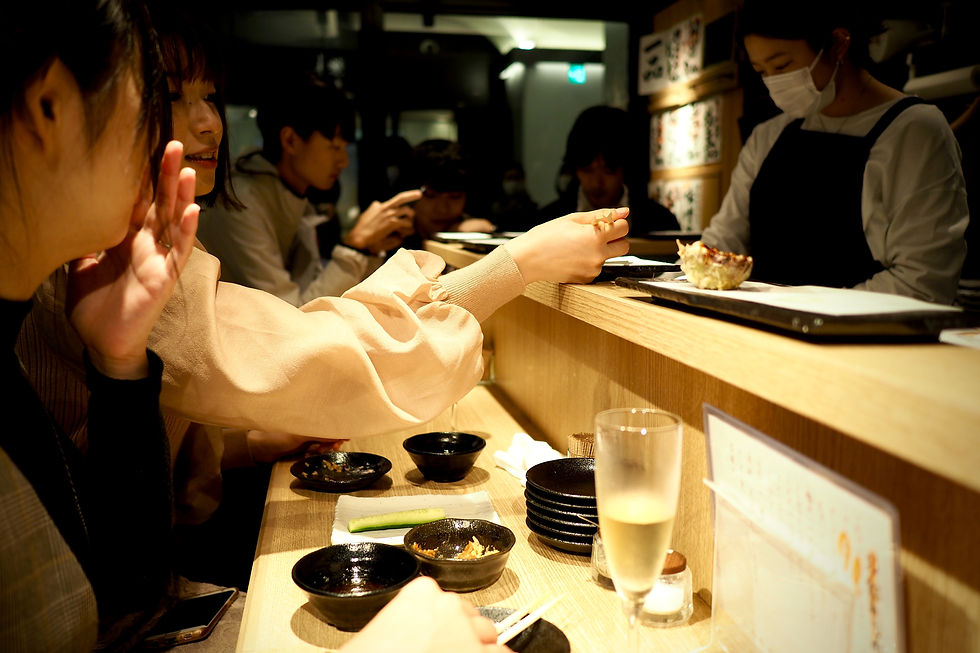
While Tokyo has more than its fair share of Michelin starred restaurants and fine dining destinations, eating great food in Tokyo doesn’t have to be expensive. In fact, plenty of Tokyo’s greatest foodie spots are those understated places that focus on one thing (fabulously) for decades.
These Tokyo tempura restaurants offer outstanding quality at approachable prices, making them ideal for first-time visitors to Tokyo or casual food exploration for people who love to eat but don’t love to blow their who vacation budget on meals.
Address: 1-2-6 Kanda Awajicho, Chiyoda-ku, Tokyo 101-0063
Price Range: ¥2,000–¥5,000
Why visit: A relaxed neighborhood favorite offering crisp, honest tempura with generous portions, Awajicho offers excellent for travelers looking for authentic Tokyo dining outside tourist zones. Visitors around Kanda can head over to Jimbocho to explore the neighborhoods flock of publishers, and work up a hunger while searching for antique prints, calligraphy tools, and books before grabbing a filling meal to cap off their travels.
Address: 6 Kagurazaka, Shinjuku-ku, Tokyo 162-0825
Price Range: ¥3,000–¥6,000
Why visit: Located in one of Tokyo’s most atmospheric neighborhoods that;s famed for both a geisha history and French influence, Okawaya offers classic tempura in a traditional setting. Perfect for combining sightseeing with a satisfying meal, wind in and out of Kagurazaku’s side streets, watch the trains zipping along the waterways from Canal Cafe (a classic spot for grabbing a drink outdoors, alcoholic or otherwise), and shop the traditional artisan stores before grabbing one of Tokyo’s best tempura meals on a (semi) budget.
Address: 3-17-10 Nishiasakusa, Taito-ku, Tokyo 111-0035
Price Range: ¥3,000–¥5,000
Why visit: Asakusa Hirayama reflects old-style Tokyo tempura—approachable, comforting, and well executed. All about tradition, a visit to this tempura spot is perfect for travelers striking to the well-trodden tourist paths (especially first time visitors to Tokyo). Explore the charm of Asakusa’s best hits, like Senso-ji or the shotengai shopping streets, and when you’re ready for a break from the crowds and a meal to power up, head here.
Address: 6-21-8 Tsukiji, Chuo-ku, Tokyo 104-0045
Price Range: ¥4,000–¥7,000
Why visit: Just because Tsukiji Market closed, doesn’t mean that Tokyo’s food culture has disappeared from the Tsukiji area. Close to Tsukiji Outer Market area, Kurokawa emphasizes seafood tempura (a no-brainer considering the location)with excellent sourcing. This is a spot perfect for travelers interested in having more than just small bites when exploring Tsukiji Market, or even wayward shoppers from Ginza looking to head a few streets over for a great tempura meal.
Address: 1-6-1 Shinjuku, Shinjuku-ku, Tokyo 160-0022
Price Range: ¥1,500–¥4,000
Why visit: Casual, friendly, and popular with locals, this spot pairs tempura with noodles and set meals. At one of the lowest prices on the list, it’s a great Tokyo tempura restaurant that is approachable for solo travelers and foodies on a budget. Located right in the heart of Shinjuku (but away from the concentrated nightlife of Kabukicho), this is a great spot to add to any Tokyo itinerary.
Address: 1-11-3 Nihonbashi Muromachi, Chuo-ku, Tokyo 103-0022
Price Range: ¥1,500–¥3,000
Why visit: Famous for long lines and outstanding value, Hannosuke offers bold flavors and hearty tendon (tempura rice bowls). It might take some dedication to get a seat, but the value for the quality of food is worth the wait. A must-try Tokyo tempura restaurant for travelers who want high impact at low cost or for those with some time to kill waiting before their Shinkansen departs.
Address: 2-13-6 Takadanobaba, Shinjuku-ku, Tokyo 169-0075
Price Range: ¥6,000–¥8,000
Why visit: Takadanobaba is a lively spot filled with university students, international markets, and also, an increasingly number of supremely high-quality restaurants. Ramen and Tonkatsu might be the big name culinary contenders around here, but Baba Ten offers tempura course menu options that blend fine-dining and affordability. While the atmosphere is relaxed, the dining is 100% intentional—and also specializes in pairing tempura with tea cocktails, a wholly indue take that makes visiting here ideal for trendy foodies looking for a mix of modern and traditional influences.
Address: 1-20-8 Shinsencho, Shibuya-ku, Tokyo 150-0045
Price Range: ¥3,000–¥6,000
Why visit: Tenki offers clean flavors and careful frying in a quiet neighborhood near Shibuya, once of Tokyo’s most crowded districts. A remarkable mid-range choice for travelers seeking quality without crowds—despite the location. Explore the jostling energy of Shibuya and enjoy dinner here before heading out to some bars and nightlife in the surrounding neighborhood.

How to Book Tempura Restaurants in Tokyo
Like all fine-dining in Japan, high-end tempura counters typically require advance reservations, especially for dinner and weekend seating. There are a number of reservation platforms that can assist when making bookings, but in many cases, if you're staying at a luxury location, your hotel concierge might be the best bet for nabbing a spot. Other options, listed below, are also great options for securing reservations for both fine-dining omakase menus as well as more casual locations.
Tabelog is Japan’s most trusted restaurant platform, offering reviews, menus, and reservation links when available. Go here for restaurant reviews (for context, anything above 3.4 is of great quality, while a score of 3.7 would be near perfect)
TableCheck is commonly used by fine-dining tempura restaurants and is English-friendly.
For travelers who want concierge-style booking or food experiences, byFood provides reservation assistance and curated dining options.
For casual and under-¥10,000 restaurants that don’t have a reservation system, arriving early or slightly outside peak lunch/dinner hours is usually sufficient. This is the one time where suffering from jet-lag can actually come in handy.
Why Tempura Should Be on Every Tokyo Food Itinerary
Tempura showcases the Japanese philosophy of restraint: doing less, but doing it perfectly. And if you’re looking for a perfect bite, fried golden and fluffy on the inside, tempura should be on your eating list.
Whether enjoyed at a Michelin-level counter or a humble neighborhood shop, Tokyo’s best tempura restaurants offer undeniably unforgettable meals. And while you can’t go wrong with a visit to any of the tempura restaurants above, don’t be afraid to explore more — around your hotel, around your destinations, or in alleyways tucked off the main streets. Half the fun of travel is discovering your own path anyways.


Comments